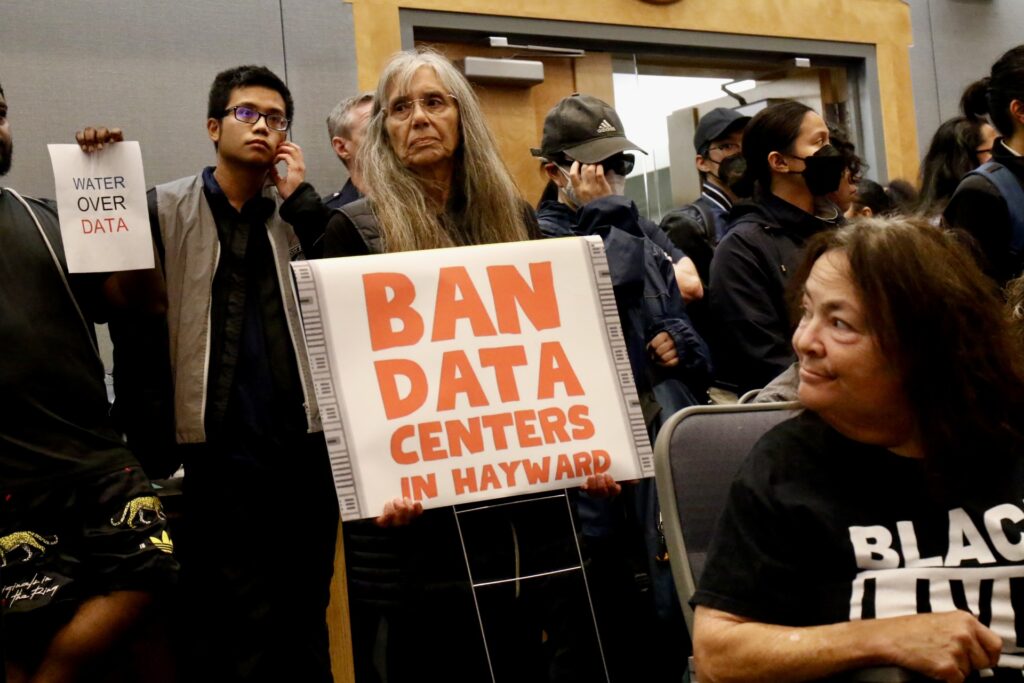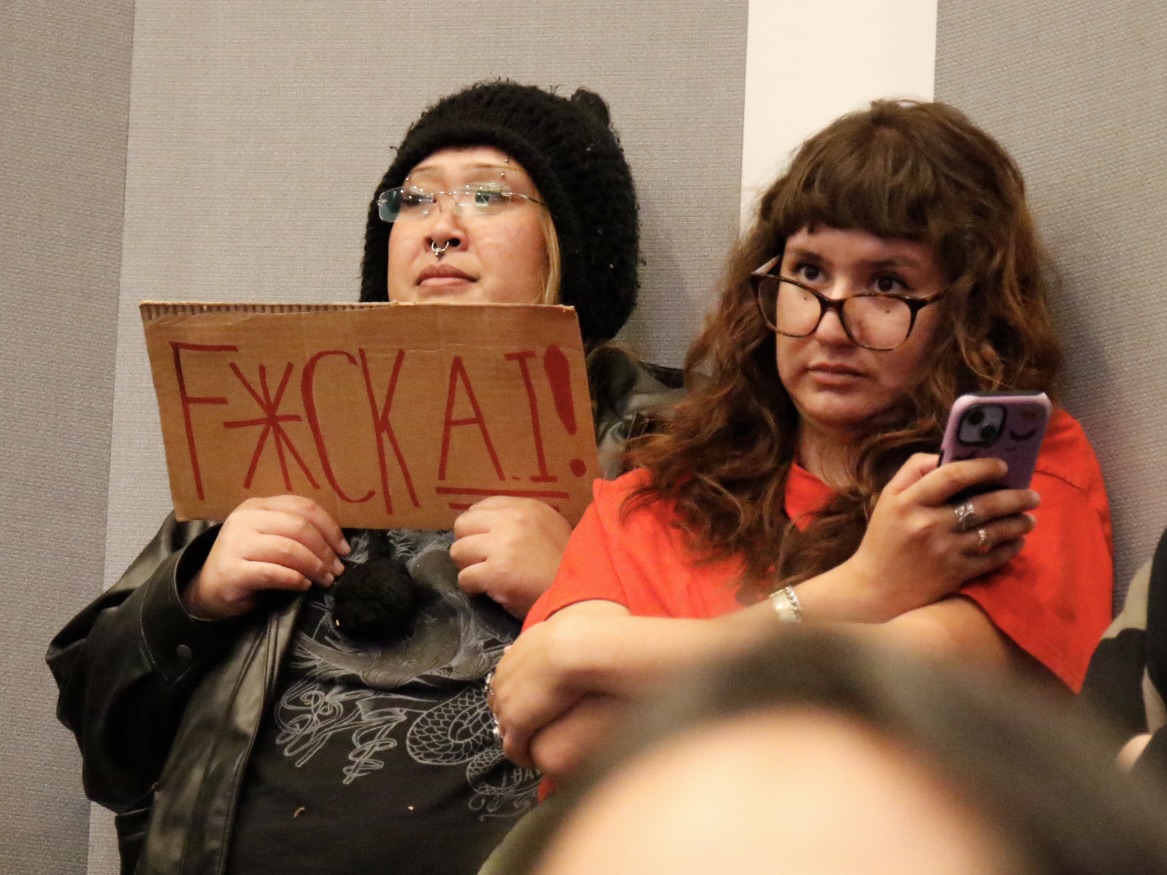
On Sept. 15, 2026, the Hayward City Council met to discuss the future of data center development in Hayward. Residents voiced concerns about how data centers could affect the community, while city staff presented potential regulations for future projects. The Council was considering a proposal to begin the process of prohibiting new data centers in the city following what Hayward described as “significant public outcry” over their potential impacts.
Data centers are large facilities that house computer servers used to store and process digital information for services such as cloud computing, artificial intelligence, and online platforms. Because the servers operate continuously and generate heat, data centers require constant cooling, which can require significant amounts of electricity and, depending on the cooling system, water. A University of Georgia report on data centers notes that water use varies by facility size, location, and cooling technology.
Hayward has already experienced these concerns with the Stack Infrastructure data center, a 300,000-square-foot facility on Eden Landing Road. According to the Tri-City Voice, the project raised questions about its energy use, water demands, environmental impacts, and the city’s approval process. The project ultimately received approval from the Hayward Planning Commission, leading city officials to reconsider how future data centers should be reviewed.
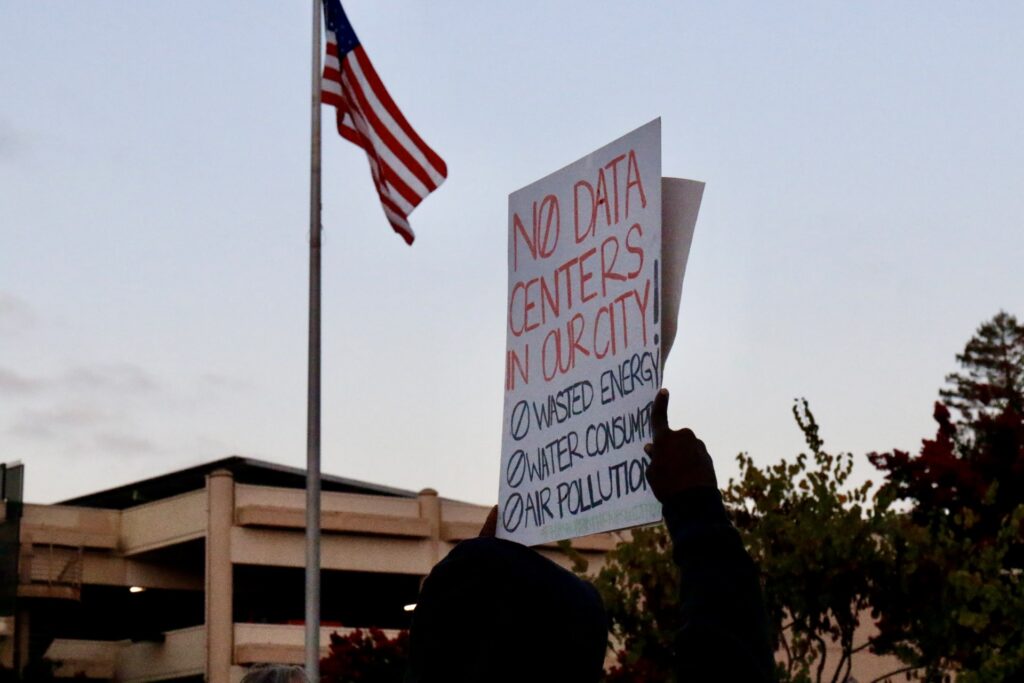
Planning Manager Leah Schmidt explained what data centers could mean for Hayward. According to Schmidt, data centers require large amounts of electricity and uninterrupted cooling, placing significant demands on the electric grid. She said new data center applications must include “sustainability plans and community benefits packages regardless of project or site size.” However, Schmidt added, “We do not have any pending applications for data centers under these new regulations.” The city also confirms that it currently has no pending applications for new data centers.
Schmidt outlined three options the city could consider for regulating future data centers: strengthening existing regulations, temporarily pausing data center approvals through a moratorium, or permanently banning new data centers. These options would give the city different ways to address potential environmental and community impacts as it considers the future of data center development in Hayward.
Hayward residents who spoke during the meeting raised concerns about data centers’ potential effects on their neighborhoods and the environment. Jeannie Buchanan focused on noise from data center equipment, particularly the HVAC chillers that operate around the clock. She called for independent low-frequency noise testing, enforceable noise limits and publicly available monitoring results.
Other residents raised broader environmental concerns. Hayward resident Luciano Duran said data centers could affect the community through impacts on air, water and noise, while also raising concerns about nearby property values.
Not everyone who spoke supported banning future data centers. Jeffrey Hammond, a Hayward Planning Commissioner who voted to approve the STACK Data Center development, said he believes data centers could benefit Hayward economically by attracting future industries and creating jobs. Hammond also said he supports greater public outreach and transparency from data center developers.
By the end of the meeting, the City Council directed staff to return with a proposed temporary moratorium on future data center development. Council members agreed to keep a permanent ban on the table while also considering stronger regulations focused on transparency, accountability, and community benefits. City staff said they would return on Oct. 6 with a proposed moratorium and recommendations for what to study during the temporary pause. The Council’s motion passed with all seven members voting in favor, giving staff direction to move forward, but not enacting a moratorium that night.