

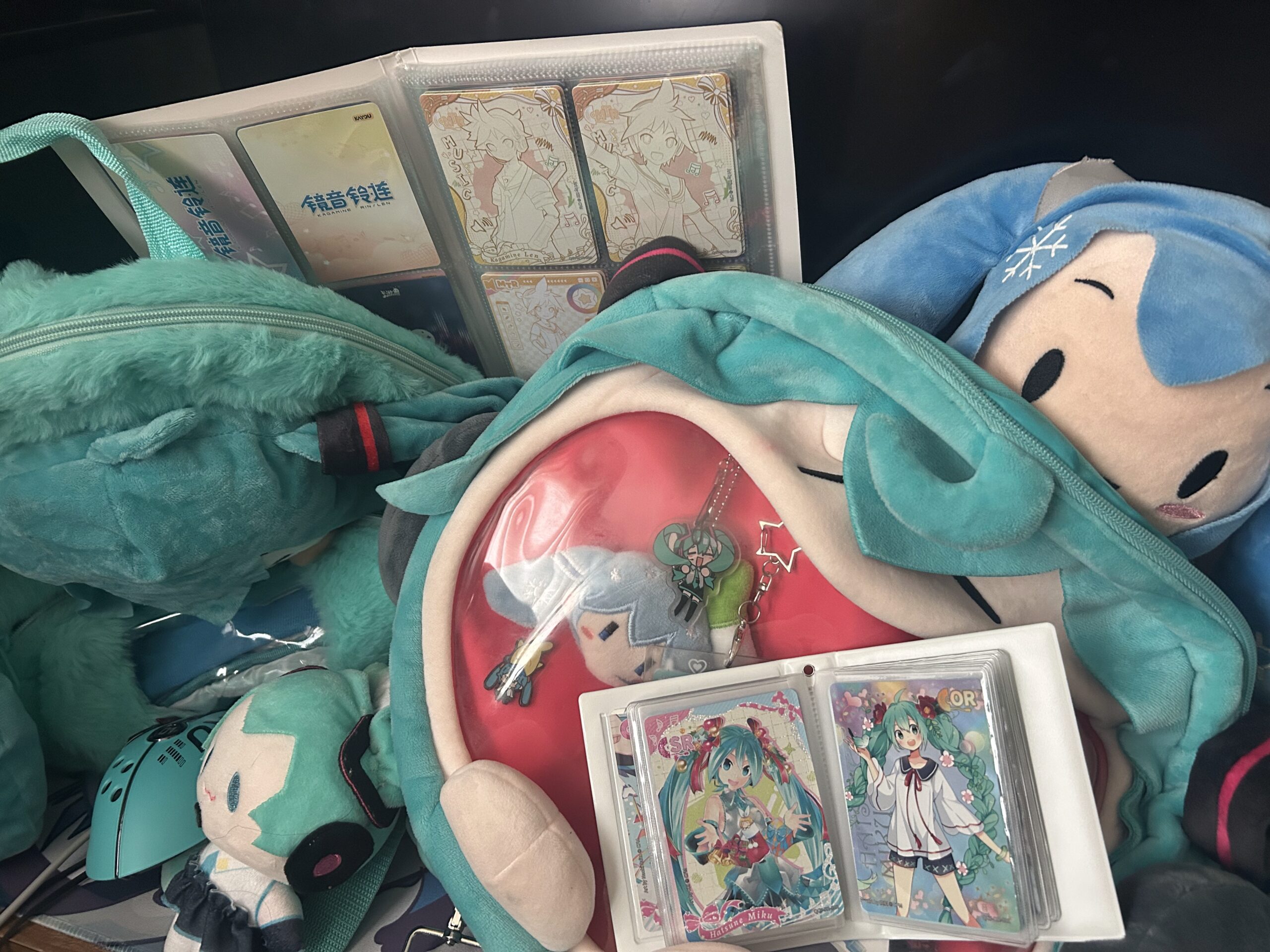
According to Merriam-Webster, the definition for overconsumption is the “excessive consumption or use of something.” With the internet, the power to consume has increased drastically,with world-wide access to cheap labor and fast production. You can get anything delivered to your door with a simple click.
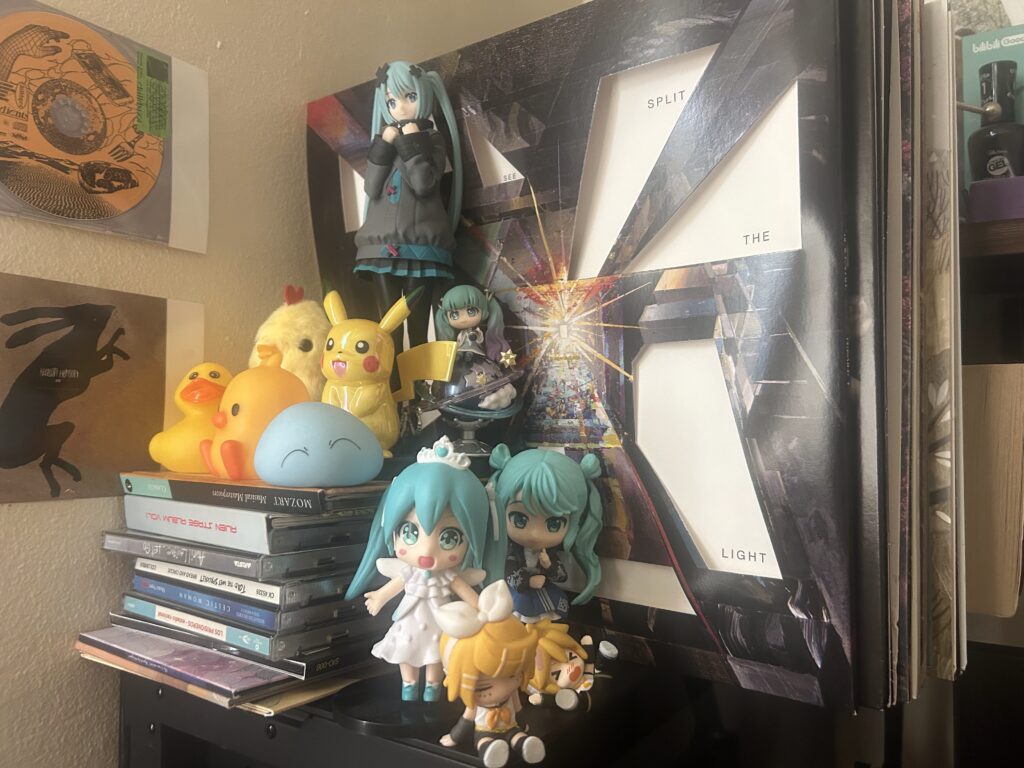
Growing up in a low-income household, overconsumption didn’t feel like a problem. It felt like something I didn’t even have to worry about. I was used to watching people around me have things I couldn’t have, and that feeling of envy was real. When I finally got my own job, for the first time, I didn’t have to just want things. I could actually buy them. Even though I help with bills and understand where my money should go, I still find myself buying more than I need.
Some part of me justifies it, like I earned this and who’s to deny me now, but it leaves me with a bigger question: when does it become excessive?
So, I started asking fellow Chabot students about their spending habits, and that’s when I realized my experience wasn’t completely unique. Though the reasons for how we spend may be different, we all have a similar issue with how easy it is to consume. John Rhey, a business administration major, describes how his habits have changed over time, saying, “I just got lazy and started buying everything online instead of going to stores.” That mindset felt familiar to me. I got used to saying that to myself. When things are easy to access, it becomes harder to reflect on your actions. He also admitted to owning 17 pairs of headphones, explaining that he tends to buy duplicates because older items can be used for other purposes. It made me think about how easy it is to justify buying more than we actually need.
For Shantal Perez, a mass communications major, spending was more of an emotional outlet. When I asked about the items she buys, and how many of those are necessary items, she explained, “They’re not, but they’re necessary for me.” Showing how buying can feel justified on a personal level, she described a cycle where she feels happy, then questions her purchase, and then feels happy again when it arrives. I have this habit myself. I buy something and regret it, but the rush of joy when getting the thing I purchased keeps me from stopping.
Alexa Castillo, another mass communications major, explains that online shopping feels less impactful financially than it actually is, saying, “I kind of don’t feel it hits my wallet as hard as it definitely does.” There’s this illusion you trick yourself into thinking the numbers on your screen don’t correlate with your money. It’s a simple click, and move on in your life with no moment to think about what you just did to quickly cancel the payment. Especially when there are sales and discounts, you feel even more enticed to buy something. The consequences don’t appear as high stakes when shopping online..
The last student I interviewed, Mickail Dolger, an African American studies and psychology major, shared that she’s satisfied with her spending on mostly non-essential items. She described the feeling of buying as pure unfiltered joy, and she also made a connection that really resonated with me: the independence of being able to purchase things without asking anyone. I was able to relate to that, too. It feels like freedom. Limitations that were once on me no longer exist; it’s more about what it represents than the items themselves.
