

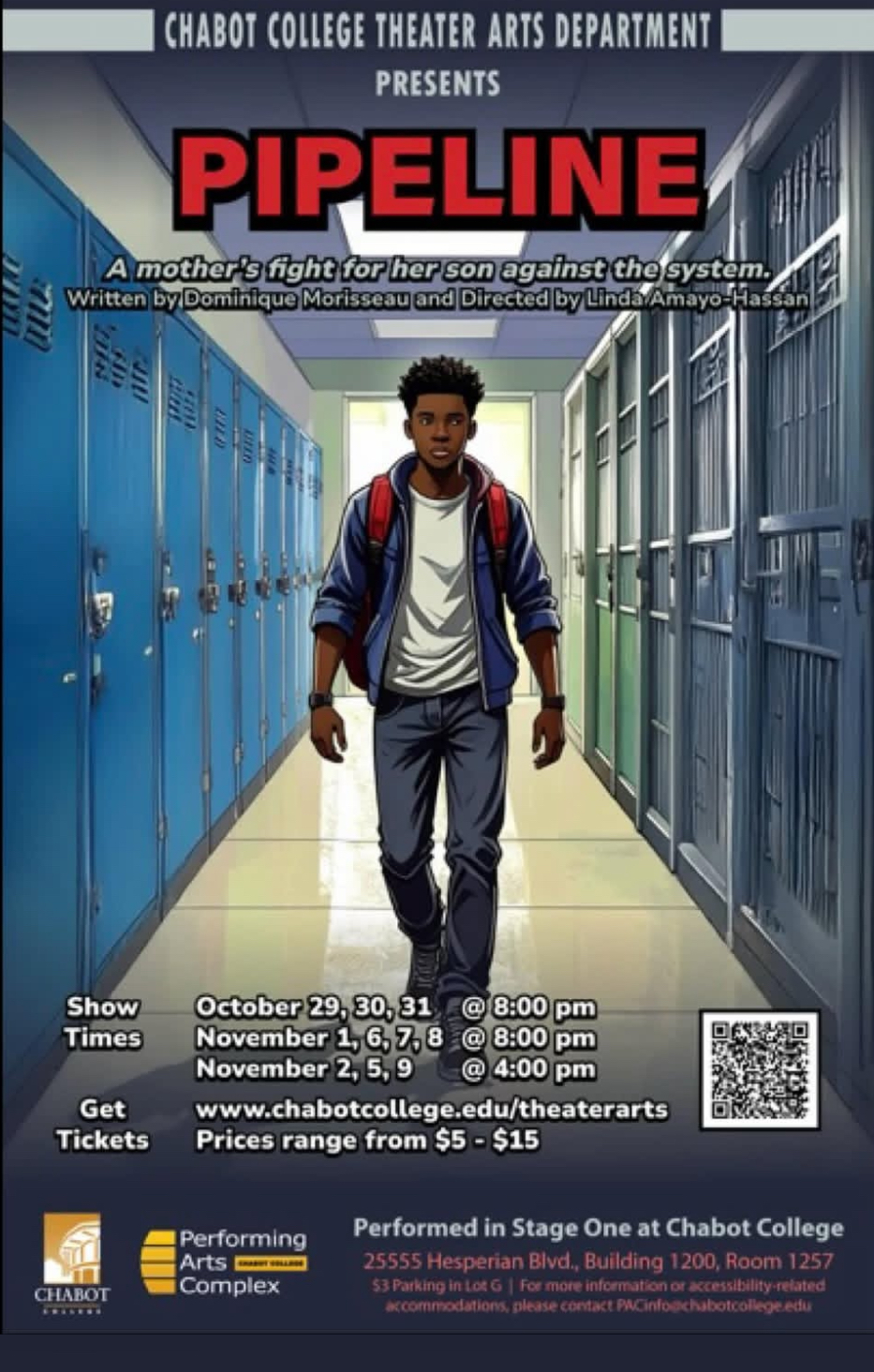
Chabot College Theater Department debuts Pipeline by Dominique Morisseau. Pipeline offers a raw, unflinching look at the intricate and often painful realities faced by students and teachers in everyday classrooms. Pipeline delves deeply into the educational system’s challenges, racial tensions, and the personal struggles that shape the lives of those entangled. Pipeline centers around Nya, an African American public school teacher and her son, Omari, a gifted basketball player whose future becomes shrouded in uncertainty. As Nya tries to protect Omari from the systemic barriers threatening to derail his potential, the play exposes the emotional strain and tough decisions faced by educators and parents alike.

The title itself alludes to the “school-to-prison pipeline,” a national crisis where disciplinary policies disproportionately push Black males out of classrooms and into the criminal justice system. Nya’s dedication to her students reveals the emotional & physical labors teachers undertake beyond curriculum — serving as mentors, advocates, and sometimes the only steady adult figures in their students’ lives. Yet, the play does not shy away from the frustration and helplessness that can accompany these roles, especially when external societal forces undermine their efforts.
Omari’s journey sheds light on the pressures faced by students balancing cultural expectations, systemic racism, and personal experiences. His actions and decisions provoke questions about identity, masculinity, and survival in an environment that often seems stacked against him. The tension between Omari and his teachers underscores the fragile trust necessary for effective education and the impact of trauma on learning.
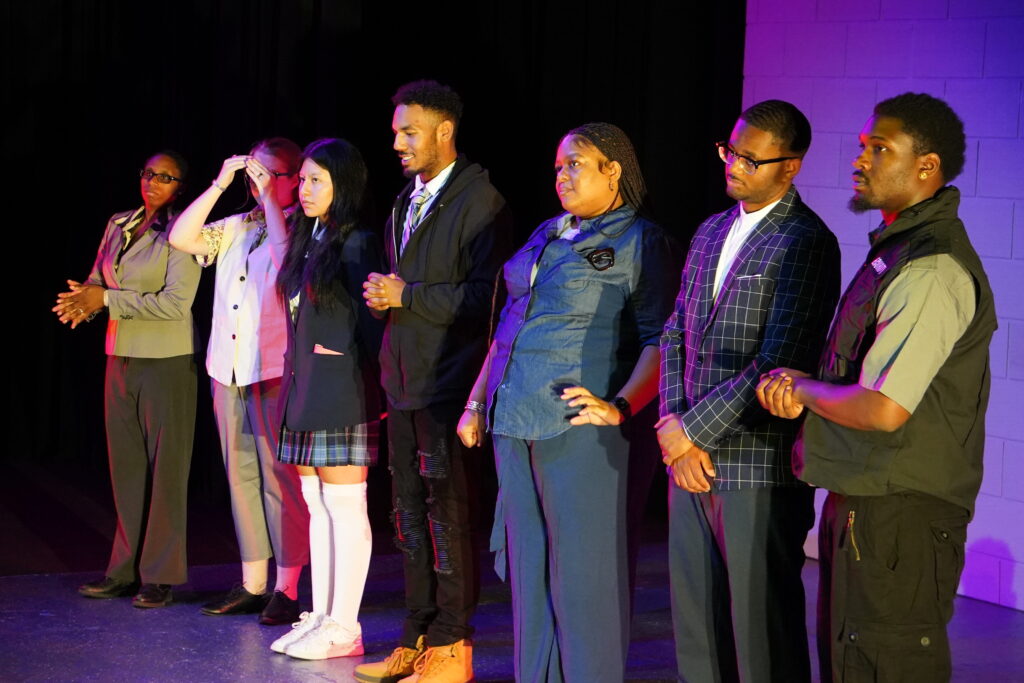
Pipeline resonates because it humanizes statistics and headlines about education in America’s cities. It challenges audiences to understand the humanity behind the struggles and encourages empathy for both students and teachers caught in complex social realities. The play calls for systemic change while honoring the courage and resilience found in classrooms where hope and despair coexist.
Derriecia Maxon, a Chabot college theater major, said that, “ you can see yourself in almost every character”. She also said that, “ It’s not just a story, it’s real life.”
This shows that sometimes when you watch something not only do you see yourself but also something that is real life and that touches your heart.
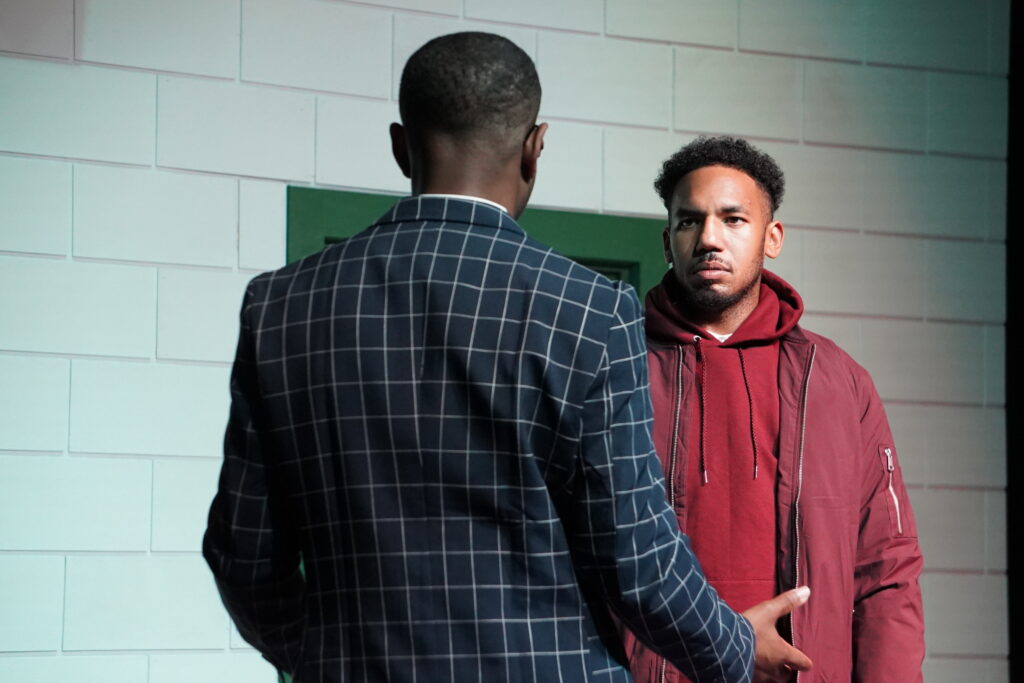
Nye Owens said that, “ it’s very important to hear a story that a person has made that,you know it can be happening in people’s households and honestly , i a really touching and compelling story.”
In pipeline it is a very serious story so with this it shows that a story can have a lot of emotion behind it.
Celine Rodrigez said that “ i feel like life lesson in there how to i guess show your emotions and i believe this would help parents understand their kids more or kids understanding their parents more.”
This shows that there is always lessons behind things and people will always learn from them.
Peter Beyer said, “getting to share the story with my fellow castmates are definitely what excites me.” This shows that just being together in a cast is special no matter what the story is and how great the time is.
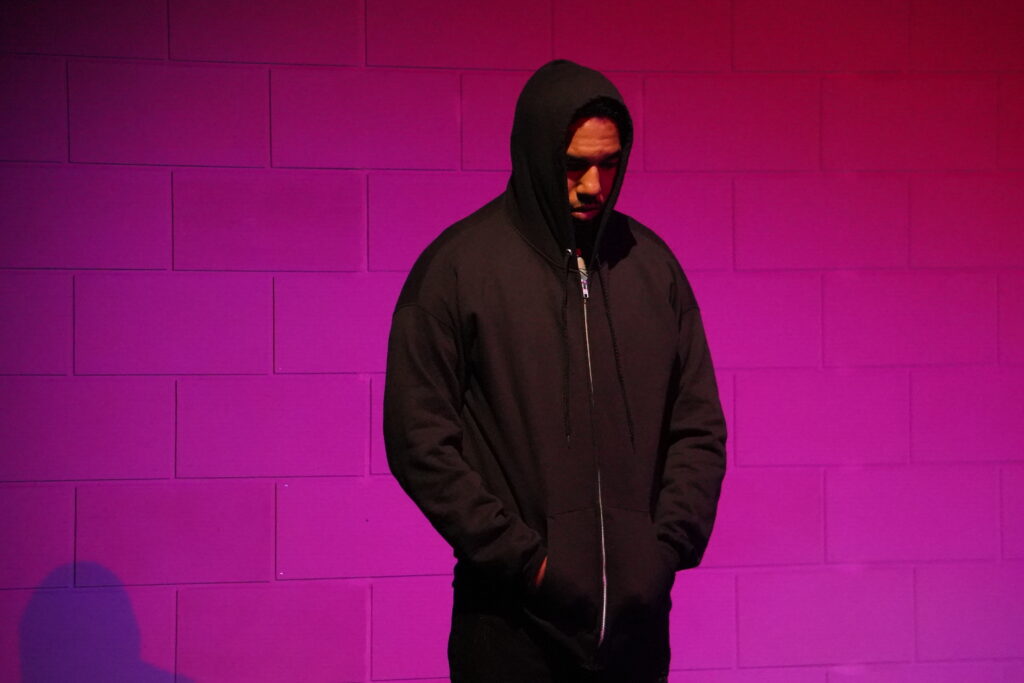
Since the end of the pandemic, parents, educators and students alike have admitted to the ongoing issues constantly progressing with the A.I digital divide, social emotional learning curb and lack of boundaries being established one parent households, with all the pressing issues this upcoming generation face, its difficult to address each situation sensibly, through Pipelines’ dramatic emphasis on these issues, we employ you to take a deep search into how your individual involvement in someone’s life can change their trajectory for the better or worse. Stay tuned for a video version of Pipeline by Chabot College Theater Department at https://www.youtube.com/@ChabotTV and on Chabot TV On Demand http://chabot.cablecast.tv/
